Mind the (Curiosity) Gap
Over the years, I’ve reflected a lot about the importance of (and occasionally even practiced!) slowing down. But recently I came across yet another reason to remember how soul-nourishing it is to…well, slow down, yes, but also to observe. Pay attention to things. Be curious. Bonus points: it dunks on AI. (Go ahead, at me.)
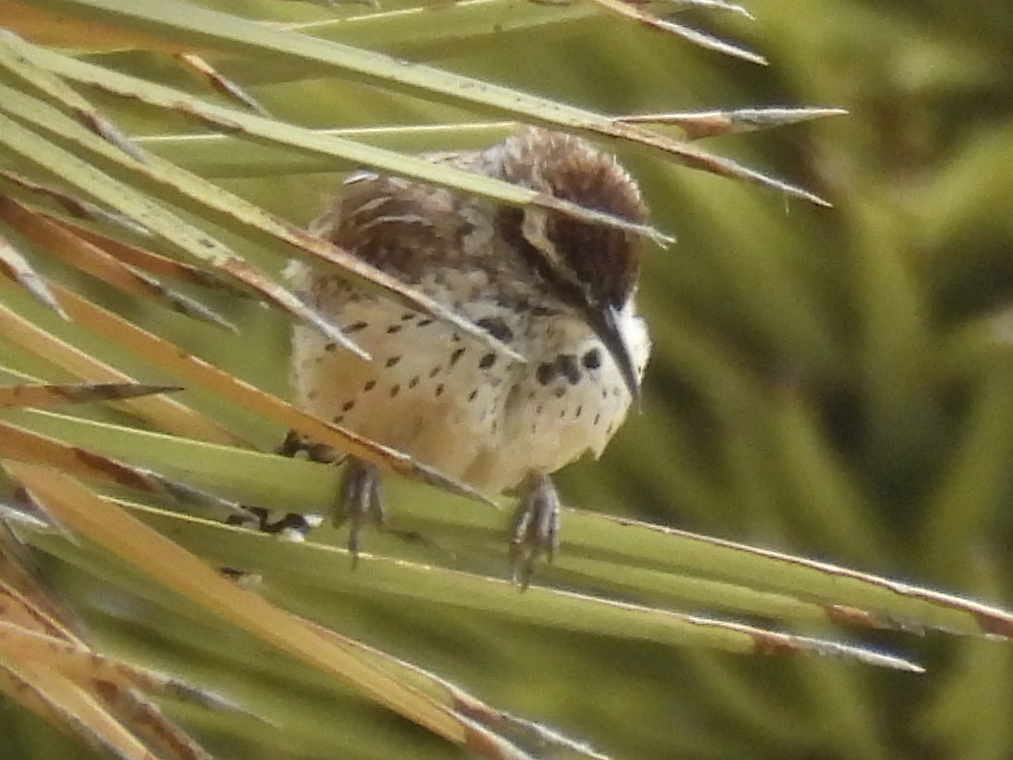
Let me start with a story. About birds. Again. (Go ahead, at me.) During a recent birdwatching trip in Yosemite, our guide, Ranger Karen, noted that when we go birdwatching, it’s tempting to jump immediately to identify a bird we see. We see a bird in a tree, and immediately turn to the guide and ask what species it is. Instead, Ranger Karen said, we should begin with observing everything we can about it: coloring, size, shape, feathers, time of year, location, how they fly, and so on. And only then should we turn to identification. Based on our observations, what species emerges? This process allows us to better cement the species into our memories by giving our brain time to notice similarities and make connections.
Also: it keeps us asking questions. As we watch the bird hop, we wonder what it’s searching for. Bugs? Seeds? Water? Which birds eat bugs? Did you know that the LeConte’s thrasher gets its water not by drinking it but through the water stored in the insects it eats?
You know how there’s a gap between what we want to know and what we find out, say, through asking a guide or doing a web search? Turns out we (our hippocampus in particular) need that gap for brain health, pattern recognition, and memory retention. We experience the reward of anticipation in that gap, and It’s in that gap that our brain is primed to learn and remember. Hooray for not getting immediate answers, is what I mean to say.
Which brings me to dunking on AI: you know what happens when you use AI to answer a question you have? It short-circuits that discovery, exploration, rabbit-hole process. It halts the learning we have along the way driven by our curiosity. It deprives us of building brain health.
Now. Ask me how much I know about AI. The above. The above is how much I know about AI. “Claude.” “Kalshi.” Oh no wait, that’s a whole other thing I know nothing about. So my screed is not necessarily against AI writ large. My screed is more about my own yearning to lift my nose out of my device every once in awhile to be more available to the mysteries around me.
It reminds of when a writer friend of mine said that she enjoys visiting art museums as part of her writing process: being immersed in creative expression that is not words generates for her creative expression that is words. Or idly combing through a cookbook allows for more experimentation than searching on keywords that find just the one recipe (ask me how I know).
As we inch closer to the wrap-up of summer and beginning of the school year (regardless of what age we are), I wish for us a reclamation of our natural, nourishing curiosity and the joyful discoveries we have along the way.